





Tips to Improve Efficiency and Maximize Industrial Tire Service Life
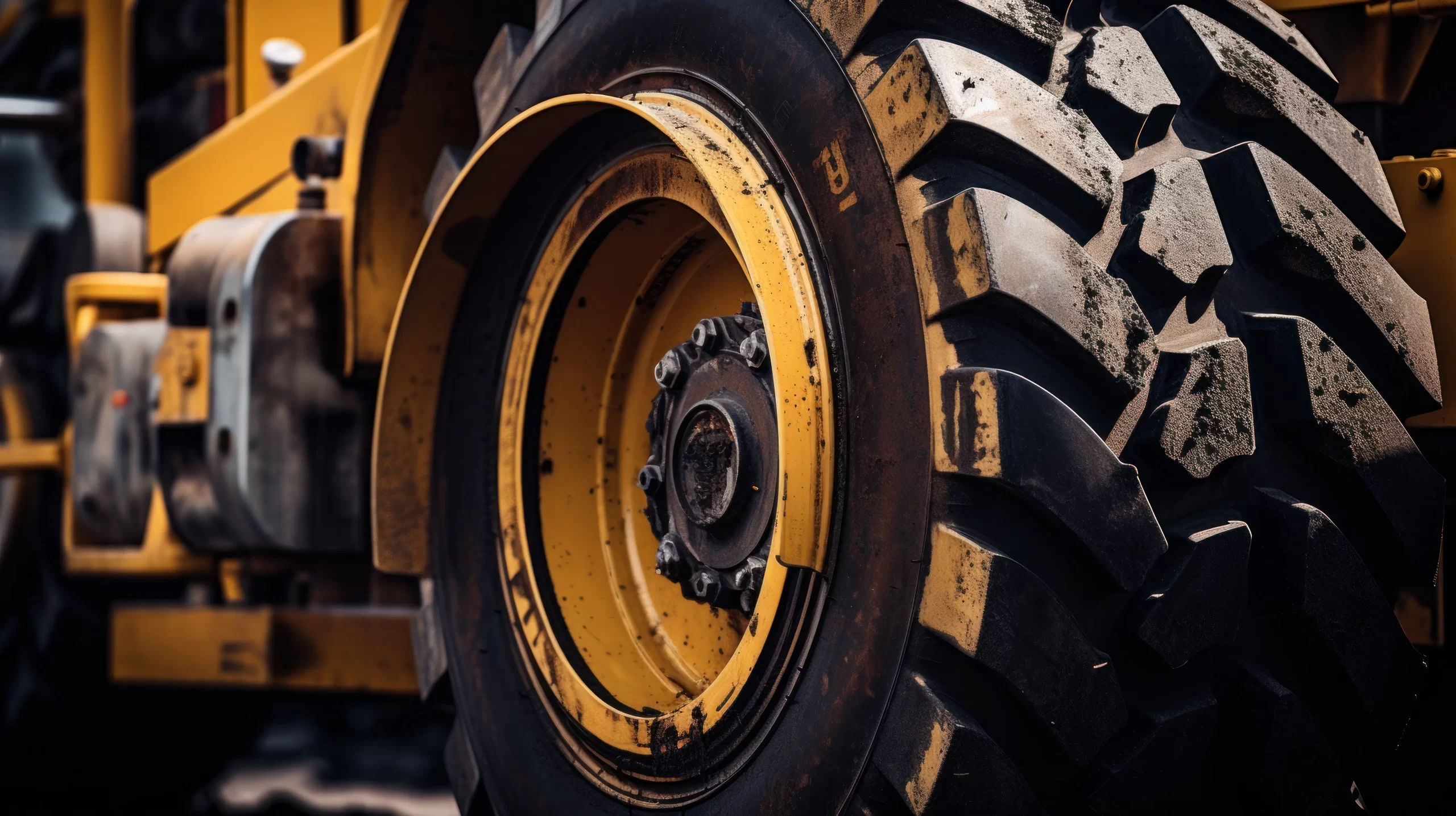
Industrial tires are more than just rotating components. They are a critical part of workplace safety, Downtime prevention, and cost control throughout the production process. Choosing the right type of tire from the beginning and maintaining it properly can significantly extend tire service life and maximize your investment.
Guide to Choosing the Right Industrial Tire for Your Application
| Tire Type | Recommended Environment | Key Benefits & Operational Results |
|---|---|---|
| Solid Tires | Smooth indoor floors, warehouses, and areas with nails or metal debris | Highly durable, puncture-resistant, and excellent load-carrying capacity |
| Pneumatic Tires | Rough surfaces, dirt roads, gravel, or outdoor environments | Excellent flexibility and shock absorption, helping protect goods and suspension components |
| Non-Marking Tires | Epoxy floors, cleanrooms, and food or pharmaceutical facilities | Special rubber compound that leaves no black marks and helps maintain a clean working environment |
4 Tips to Extend Tire Service Life and Save Costs
- Avoid Overloading: Consistently carrying loads beyond the specified capacity creates excessive pressure on the tire sidewalls, causing the internal structure to deform and crack faster than normal—potentially reducing tire life by up to 50%.
- Inspect and Clean the Tire Surface After Every Shift: Remove nails, metal debris, stones, and other foreign objects embedded in the tread as soon as possible. This helps prevent cuts from developing further and causing the rubber to break away in chunks (Chunking).
- Adopt Smooth Driving Practices: Avoid sudden acceleration, harsh braking, and turning the steering wheel while the vehicle is stationary (Dry Steering). These driving behaviors generate excessive heat and accelerate tread wear.
- Rotate Tire Positions According to the Maintenance Schedule: The front tires of a forklift carry greater lifting loads, while the rear tires handle most of the steering. Rotating tire positions from front to rear can help distribute wear more evenly across all tires.
Choosing industrial tires that match the operating environment, combined with proper daily maintenance, is a small investment that can deliver significant returns. It helps protect goods, reduce maintenance and repair costs, prevent unexpected Downtime, and create the highest level of safety for everyone in the organization.